Vol. XVIII · Free shipping $75+ · Read the collection
Feature · Product Review
glutathione tylenol toxicity

glutathione tylenol toxicity Acetaminophen causes neurodevelopmental injury in susceptible babies and children: no valid rationale for controversy PDF) Acetaminophen toxicity to cultured

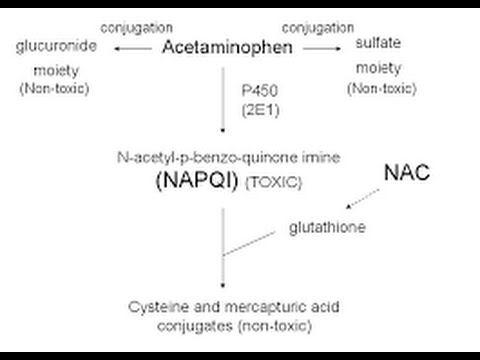
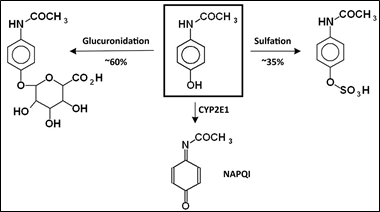
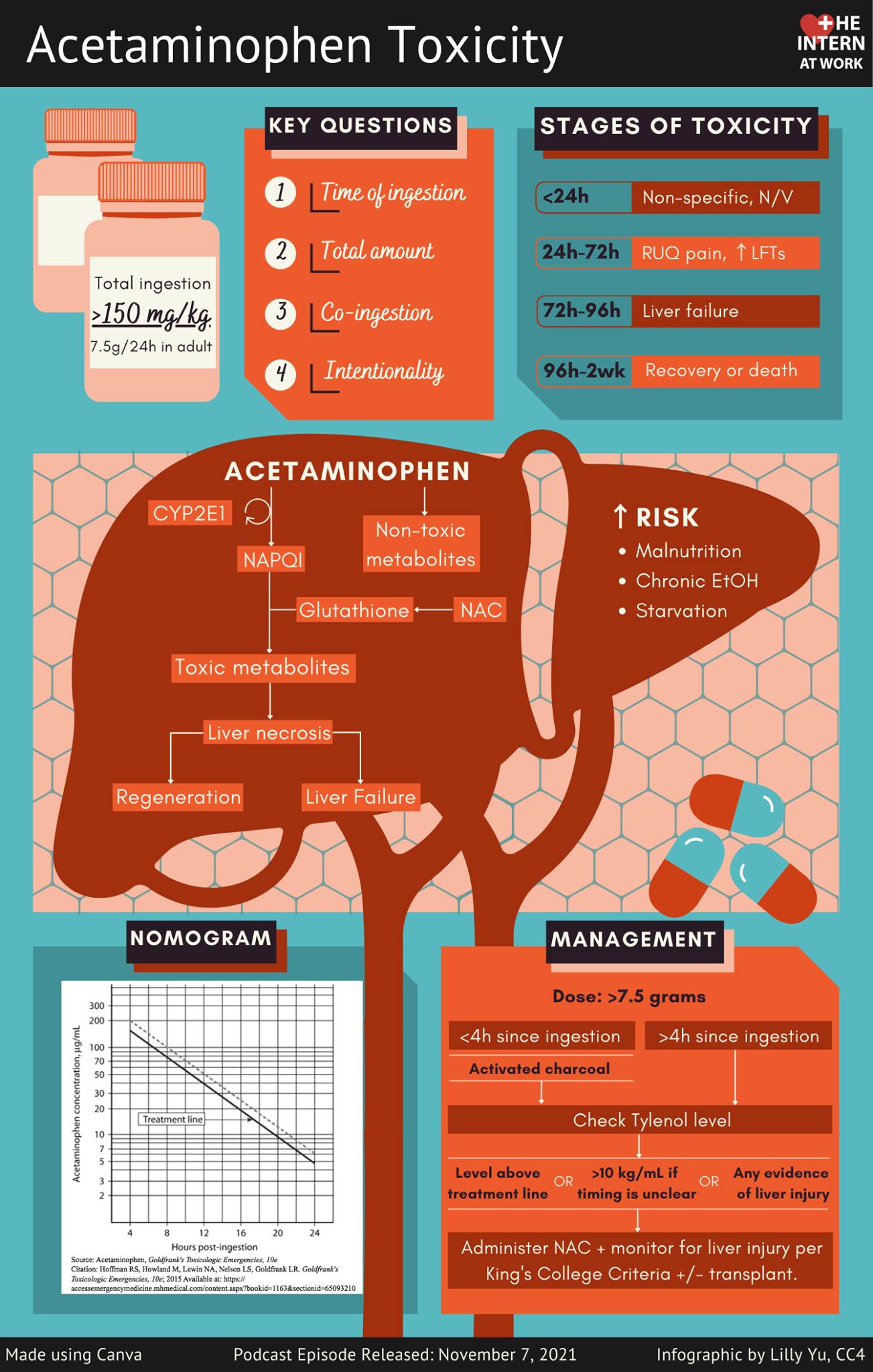
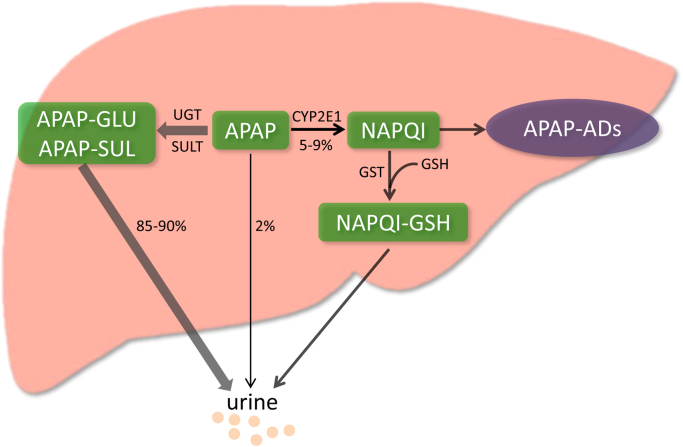
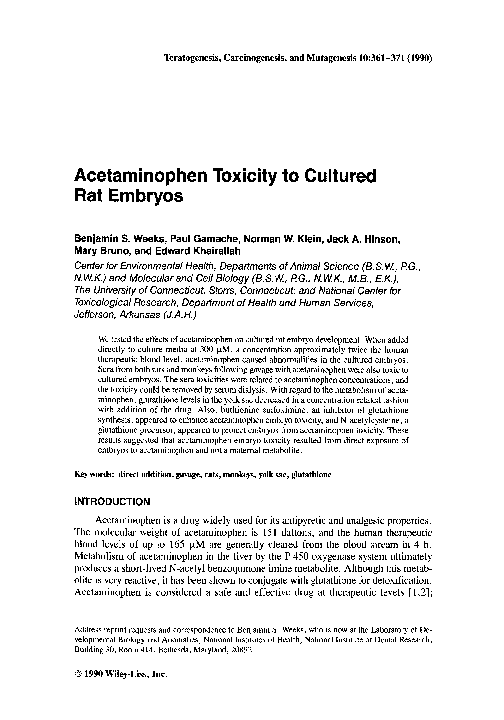
PDF) Acetaminophen toxicity to cultured rat embryos 10 days of MCQ! Day 3: Acetaminophen Overdose Answer: C N acetylcysteine (NAC) NAC is the antidote for acetaminophen overdose. It works by replenishing hepatic glutathione stores, which are rapidly depleted Acetaminophen Toxicity Poisoning glutathione acetaminophen toxicity Clinically relevant therapeutic approaches against hepatotoxicity and acute liver failure Acetaminophen Toxicity Poisoning Acetaminophen Toxicity https: www.theinternatwork.com infographics 2 2021 11 7 acetaminophen toxicity Mechanisms of acetaminophen induced liver injury and its implications for therapeutic interventions PMC

SKU: 54741355084 · From usimagingnetwork.com

4.1
USD25.54 USD53.54

Pay in 4 interest-free payments of $6.38 Learn more

Shipping Estimate
USA
  • USA
  • CAN

Ships within 48 hours · Estimated delivery Jul 30 - Aug 4
Description

Studying donor RGC polarization, neurite outgrowth and characteristic electrophysiological properties Research on stem cell-derived RGCs must ensure that the cells can polarize with dendritic and axonal compartments localizing to the correct retinal layers and that cells can form functional synapses while exhibiting characteristic electrophysiological properties

glutathione tylenol toxicity Acetaminophen causes neurodevelopmental injury in susceptible babies and children: no valid rationale for controversy PDF) Acetaminophen toxicity to cultured

[DOI] [PMC free article] [PubMed] [Google Scholar] 123.Chung CY, Valdebenito GE, Chacko AR, Duchen MR

glutathione tylenol toxicity Acetaminophen causes neurodevelopmental injury in susceptible babies and children: no valid rationale for controversy PDF) Acetaminophen toxicity to cultured

Abbreviations AA: Arachidonic acid ACSL4: Acyl-CoA synthetase long-chain family member 4 ADA: Adrenic acid ALOX: Arachidonate lipoxygenase ARE: Antioxidant response element BBB: Bloodbrain barrier BCP: -Caryophyllene BH 4 : Tetrahydrobiopterin CIRT: Cytoplasmic Intron-sequence Retaining Transcripts CISD2: CDGSH iron-sulfur domain 2 CNS: Central nervous system CoQ 10 : Coenzyme Q 10 Cys: Cysteine DHA: Docosahexaenoic acid DMT1: Divalent metal transporter 1 EE: Enriched environment FPN: Ferroportin FSP1: Ferroptosis suppressor protein 1 FT: Ferritin FTH1: Ferritin heavy chain 1 FTL1: Ferritin light chain 1 GCH1: Cyclohydrolase 1 Gln: Glutamine Glu: Glutamate Gly: Glycine GPX4: Glutathione peroxidase 4 GSH: Glutathione GSSG: Oxidized glutathione HID: High iron diet H 2 O 2 : Hydrogen peroxide HO-1: Heme oxygenase-1 HO: Hydroxyl radical HS: Hemorrhagic stroke IKE: Imidazole ketone erastin IREs: Iron response elements IRI: Ischemiareperfusion injury IRPs: Iron regulatory proteins IS: Ischemic stroke Keap1: Kelch-like ECH-associated protein 1 LOX: Lipoxygenase LPCAT3: Lysophosphatidylcholine acyltransferase 3 LPO: Lipid peroxidation LTF: Lactotransferrin MCAO: Middle cerebral artery occlusion NCOA4: Nuclear receptor coactivator 4 NDGA: Nordihydroguaiaretic acid NMDA: N-methyl-D-aspartate Nrf2: Nuclear factor E2-related factor 2 OGD: Oxygen glucose deprivation PCD: Programmed cell death PEs: Phosphatidylethanolamines PIO: Pioglitazone PPAR: Peroxisome proliferators-activated receptor PUFA: Polyunsaturated fatty acid PUFA-PEs: PUFA-containing phospholipids ROS: Reactive oxygen species ROSI: Rosiglitazone RTA: Radical-trapping antioxidant SAH: Subarachnoid hemorrhage Se: Selenium Ser: Serine SMP1: Salvia miltiorrhiza polysaccharide 1 SODs: Superoxide dismutases Sp1: Specific protein 1 STEAT3: Six-transmembrane epithelial antigen of prostate 3 TF: Transferrin TFR1: Transferrin receptor 1 TRO: Troglitazone TZDs: Thiazolidinediones -GCS: -Glutamyl cysteine synthetase References Ajoolabady A, Wang S, Kroemer G et al (2021) Targeting autophagy in ischemic stroke: from molecular mechanisms to clinical therapeutics

glutathione tylenol toxicity Acetaminophen causes neurodevelopmental injury in susceptible babies and children: no valid rationale for controversy PDF) Acetaminophen toxicity to cultured

Burlec et al

glutathione tylenol toxicity Acetaminophen causes neurodevelopmental injury in susceptible babies and children: no valid rationale for controversy PDF) Acetaminophen toxicity to cultured

Keep tightly sealed after opening

glutathione tylenol toxicity Acetaminophen causes neurodevelopmental injury in susceptible babies and children: no valid rationale for controversy PDF) Acetaminophen toxicity to cultured

The activation of HSPs and the clearance of damaged mitochondria could be a possible solution for heteroplasmy explained earlier in this document

glutathione tylenol toxicity Acetaminophen causes neurodevelopmental injury in susceptible babies and children: no valid rationale for controversy PDF) Acetaminophen toxicity to cultured
Exchange/Return Notes
  • We offer a 30-day return/exchange service after receiving.
  • Final sale items are not eligible for returns or exchanges.
  • To process your return/exchange, please contact us at [email protected]
  • Please click here for more details>>> Return & Exchange Policy

You may also like

recommand products